
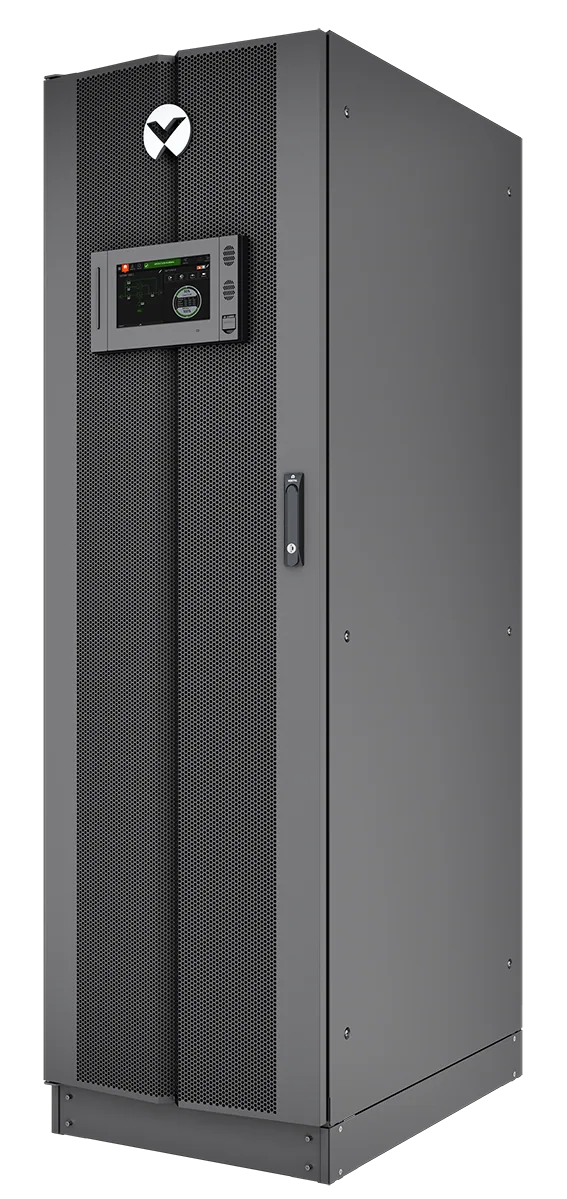
Critical Power
Vertiv Liebert APM2
A scalable modular UPS platform for data centers and other mission-critical facilities.
Review the seriesHigh-density infrastructure
Turn GPU rack plans into an engineered power and heat-rejection architecture—from utility input to the chip.
Final design and equipment selection require project-specific engineering inputs.
Target outcome
Why this is difficult
Engineering workstreams
Before we size equipment
If some values are not yet known, say so. The uncertainty itself becomes part of the engineering review.
Relevant product families
Critical Power
A scalable modular UPS platform for data centers and other mission-critical facilities.
Review the series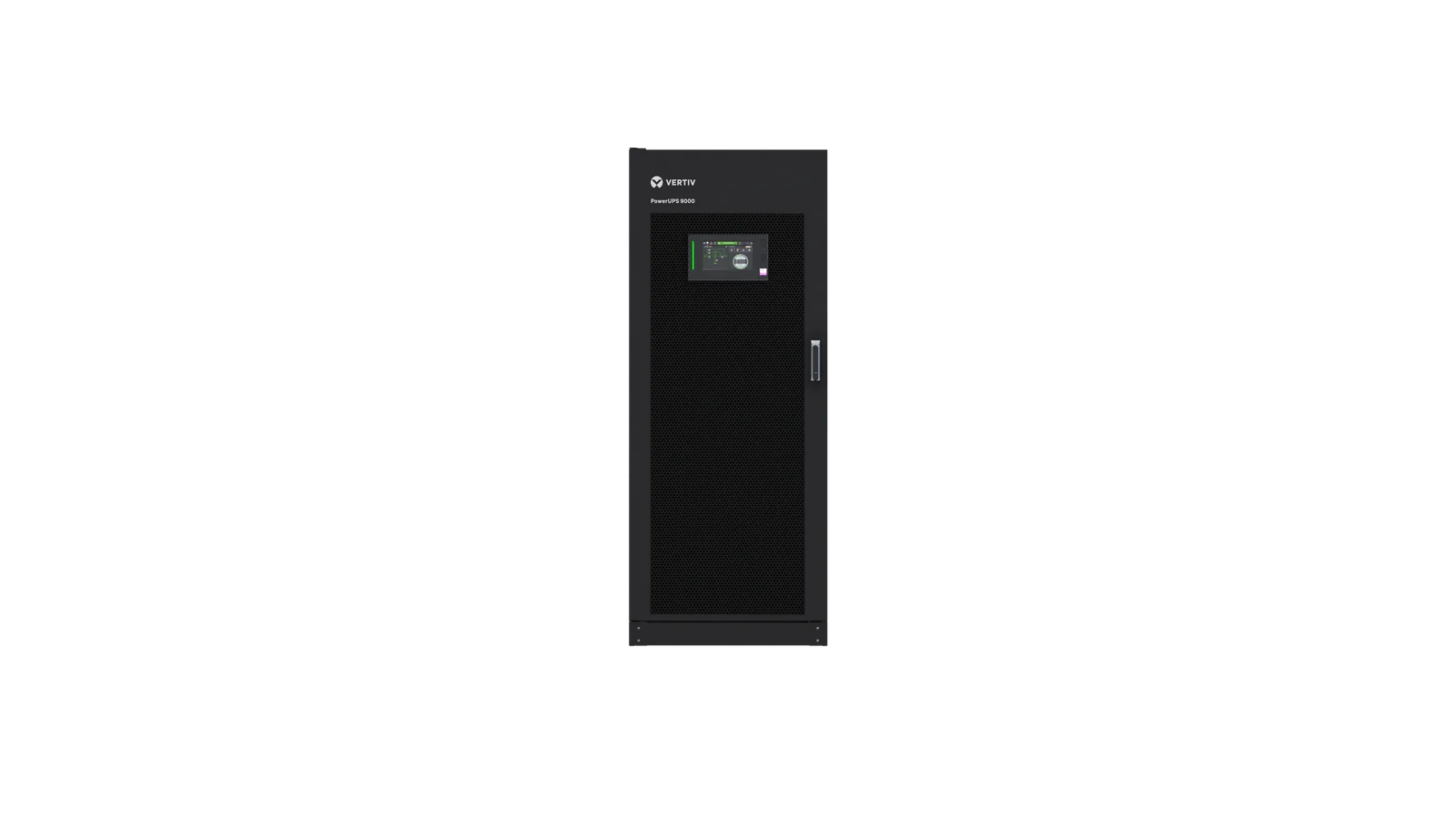
Critical Power
A 125–625 kVA modular UPS family for large critical-power blocks and phased data-center growth.
Review the series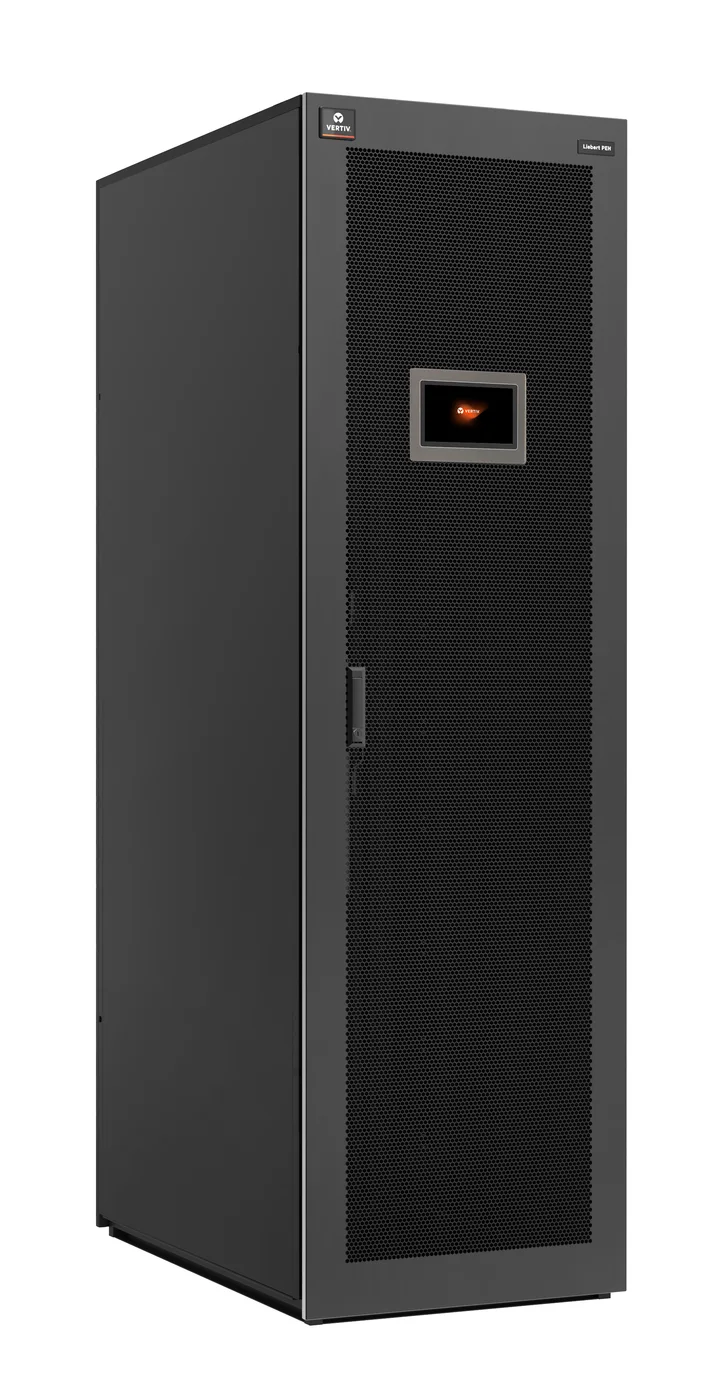
Energy Storage
A LiFePO4 battery-cabinet family for high-rate UPS backup in data centers and industrial critical-power systems.
Review the series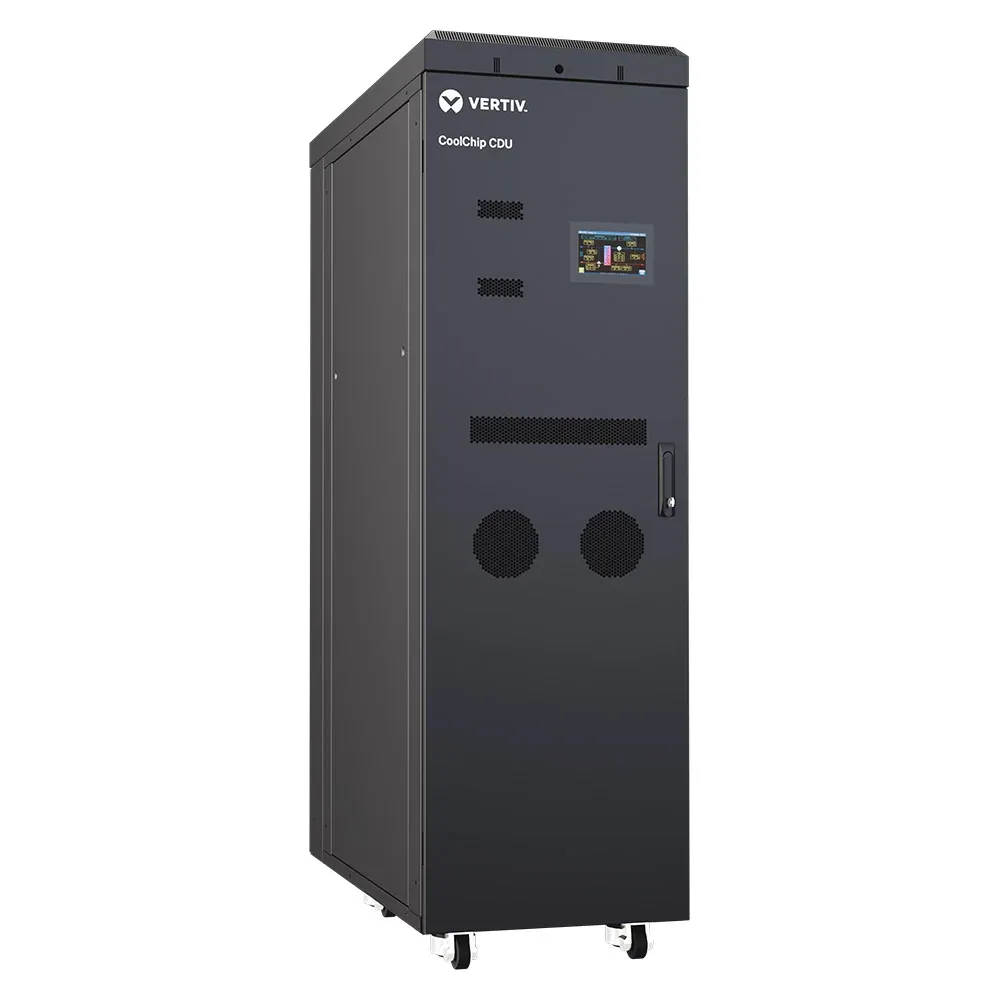
Liquid Cooling
Facility-to-technology cooling-water control for high-density direct-to-chip liquid cooling.
Review the series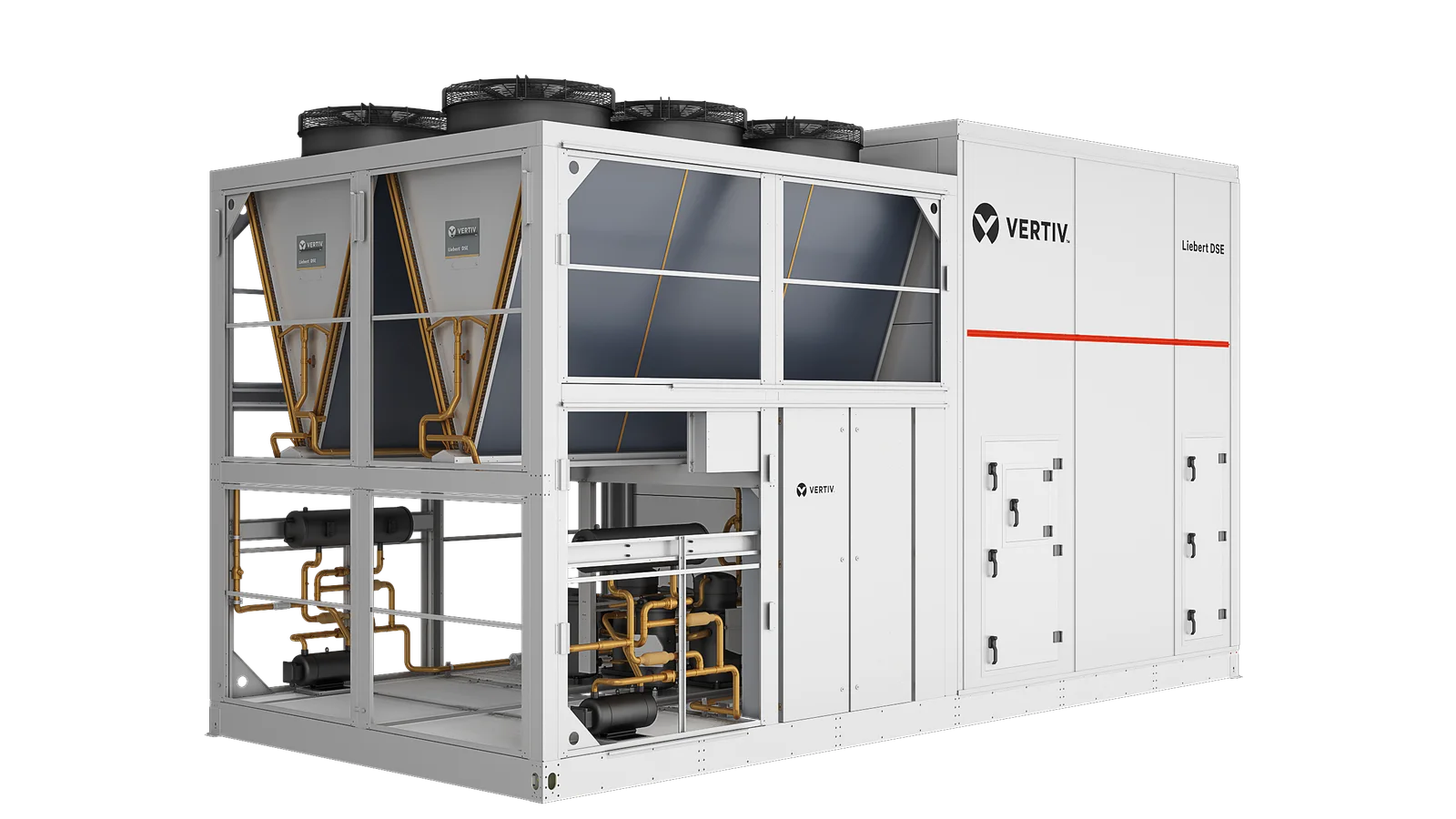
Precision Cooling
A 260–350 kW prefabricated precision-cooling family with side- or roof-mounted configurations.
Review the seriesRequest a project review
Our engineering team will turn the brief into a product shortlist, open technical questions and a quotation path.